Investigating Ways Different Building Elements Influence Wireless Connectivity Strength in Multi-Unit Complexes
Wiki Article
Wi-Fi has become an critical part of our everyday lives, especially in multi-dwelling dwellings such as condominiums and flats. These spaces often have a variety of construction materials that can affect the quality and quality of wireless signals. When planning a network for these environments, it is important to comprehend how different materials interact with radio signals. This insight can help ensure that residents receive stable, consistent internet access throughout their homes.
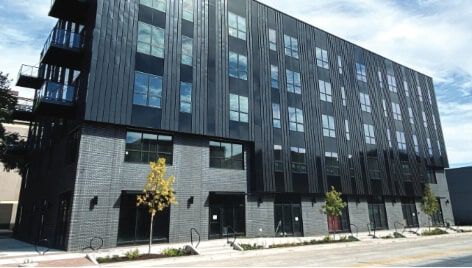
One of the primary materials found in many multi-dwelling units is concrete. Concrete walls are known for their density, which can significantly impede Wi-Fi signals. The solid structure of concrete absorbs and reflects radio waves, making it challenging for signals to pass through. As a result, areas located further away from the router may experience weaker internet connectivity. Therefore, when planning a Wi-Fi network in a building with concrete walls, it may be necessary to use additional access points or signal boosters to maintain good coverage.
Another frequent material is steel, which can also disrupt Wi-Fi signals. Steel objects, such as conduits and metal supports, can create barriers that deflect or inhibit signals completely. This mirroring effect leads to signal voids where the Wi-Fi signal is weak or non-existent. In multi-dwelling units, a builder’s choice to use steel can complicate the placement of routers and other networking equipment. To address this issue, thoughtful consideration must be applied to router placement and the use of distributed networks that can offer more extensive coverage across multiple floors and areas.
Timber is another material that impacts Wi-Fi signal strength but generally does so less severely than cement or metal. Timber-based walls and floors tend to enable signals to pass through more easily; however, other variables such as padding and furniture can still obstruct signal strength. In a multi-dwelling unit made mostly of wood, tenants might find good coverage in most areas but could encounter issues if there are many obstacles in the way. Recognizing potential interferences in the layout top article of an apartment can help optimize Wi-Fi performance.
In addition to acknowledging how materials affect signals, it is necessary to consider the layout of a multi-dwelling unit. The placement of routers should be strategic to the layout whenever possible, allowing for optimal signal distribution. Sometimes, physical barriers like corridors and stairwells can further complicate signal strength. Occupants may also benefit from using Wi-Fi repeaters or mesh systems that help preserve strong connections throughout larger spaces. Taking into account both building materials and layout will notably enhance the overall Wi-Fi experience.
In conclusion, building materials play a crucial role in determining Wi-Fi signal strength in multi-dwelling units. Cement and metal are especially challenging due to their ability mdus with the best wireless coverage to obstruct wireless signals, while timber offers relatively better performance but still presents some challenges. By recognizing these factors, builders and tenants alike can make informed decisions about network design and equipment placement. Ensuring reliable internet access is fundamental for modern living, and considering these elements will lead to a better-connected environment for everyone affected.